
Why an Electronic Invoicing Platform Is Essential for Digital Business Compliance
The global business environment is rapidly shifting toward digital processes, and one of the most significant changes affecting companies today is the move toward electronic invoicing. Governments and regulatory bodies across many regions are introducing new rules that require businesses to adopt digital invoicing systems for greater transparency and efficiency. For freelancers, small businesses, and associations, understanding and complying with these regulations can seem complex. This is where an electronic invoicing platform becomes essential.
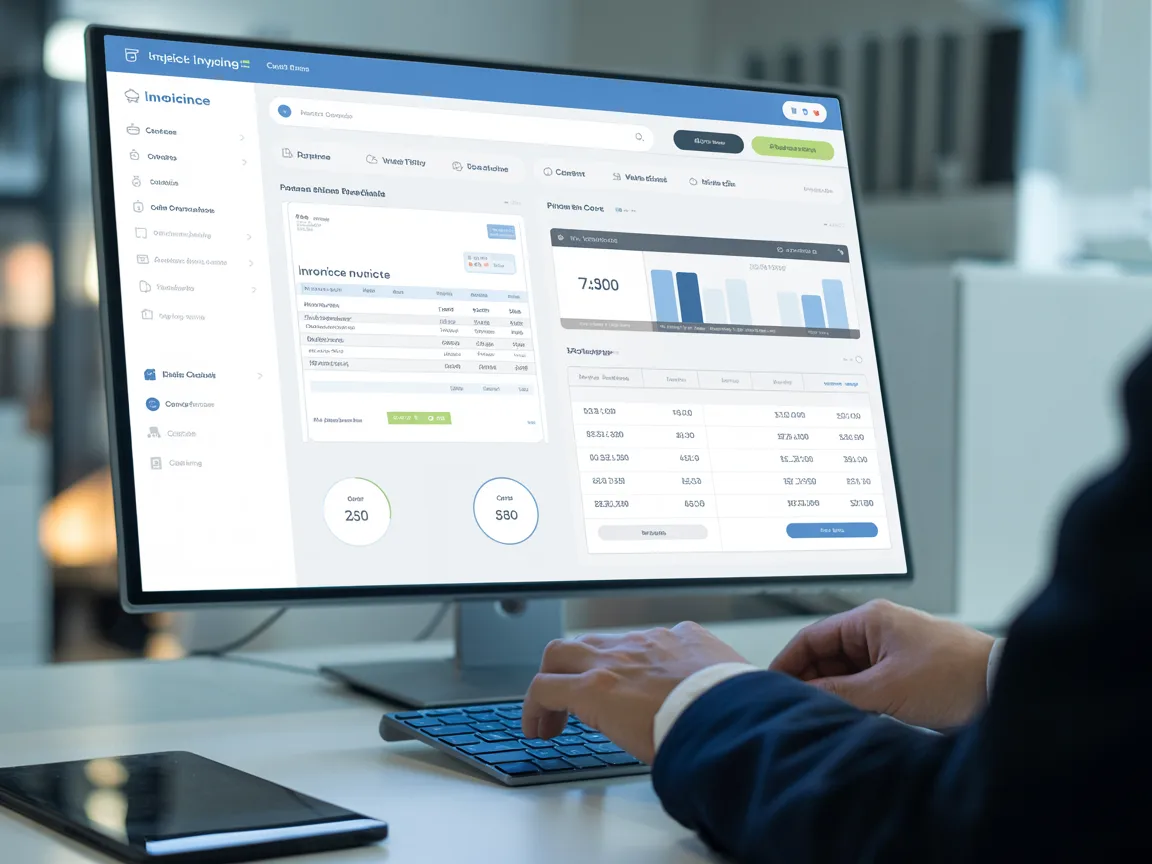
An electronic invoicing platform allows businesses to create, send, receive, and store invoices digitally while meeting legal and regulatory requirements. Beyond simple invoicing, these platforms provide a structured and secure system that helps organizations stay compliant with evolving digital obligations.

Content
The Growing Importance of Digital Compliance
Digital compliance refers to meeting legal standards related to electronic documentation, financial reporting, and secure data exchange. As tax authorities increasingly require real-time reporting and standardized invoice formats, businesses must adapt to these requirements to avoid penalties and operational disruptions.
Traditional paper invoices or manually created PDF invoices often fail to meet modern compliance standards. Many countries now require invoices to be transmitted through approved digital systems or platforms capable of ensuring authenticity, traceability, and secure storage.
Using an electronic invoicing platform ensures that invoices are generated according to standardized formats and transmitted securely between businesses. This helps companies comply with regulations without needing extensive technical expertise.
Reducing Administrative Complexity
Administrative tasks often consume a significant portion of a small business owner’s time. Creating invoices, tracking payments, managing documentation, and maintaining compliance records can quickly become overwhelming.
An electronic invoicing platform simplifies these processes by automating many administrative tasks. Businesses can generate invoices automatically, organize financial documents in one place, and track payment statuses with ease. Instead of dealing with scattered files and manual record-keeping, entrepreneurs benefit from a structured digital system that streamlines their daily operations.
For freelancers and small organizations with limited resources, this efficiency can make a major difference in productivity and business management.
Ensuring Secure Business-to-Business Transactions
Security is another key factor in digital compliance. Business transactions often involve sensitive financial and organizational data that must be protected from fraud, loss, or unauthorized access.
Electronic invoicing platforms typically include secure data storage, encrypted communication channels, and reliable authentication processes. These features help ensure that invoices are transmitted safely between businesses and that records remain accessible for audits or regulatory verification.
By using a trusted platform, businesses can significantly reduce the risks associated with manual invoicing and unsecured file sharing.
Improving Transparency and Financial Tracking
Transparency is a core objective of modern digital regulations. Tax authorities want greater visibility into business transactions to reduce fraud and improve tax reporting accuracy.
Electronic invoicing platforms automatically record invoice details and maintain digital archives of transactions. This creates a clear audit trail that makes it easier for businesses to demonstrate compliance when required.
Additionally, these systems allow entrepreneurs to monitor their financial activities more effectively. Payment tracking, invoice histories, and automated reports help businesses maintain better control over their finances while reducing the chances of errors or missing records.
Supporting the Digital Transformation of Small Businesses
While large companies often have dedicated teams to manage digital compliance, freelancers and small businesses may struggle to adapt to new regulations. Implementing complex enterprise systems is often too expensive or technically demanding for smaller organizations.
Solutions like EasyBusiness aim to bridge this gap by providing accessible tools that simplify electronic invoicing and administrative management. Designed with small businesses in mind, such platforms focus on usability, affordability, and practical guidance to help entrepreneurs transition smoothly to digital systems.
In addition to invoicing tools, educational resources and practical guides can help users understand compliance requirements and adopt best practices for digital administration.
Saving Time and Allowing Businesses to Focus on Growth
Ultimately, compliance should not be a burden that prevents businesses from focusing on their core activities. Entrepreneurs need efficient solutions that reduce administrative workload while ensuring they meet regulatory obligations.
An electronic invoicing platform helps businesses automate routine processes, maintain organized financial records, and meet digital compliance standards without unnecessary complexity. This allows business owners to dedicate more time to strategic tasks such as customer relationships, product development, and growth planning.
Conclusion
As digital regulations continue to evolve, adopting an electronic invoicing platform is no longer optional for many businesses. It has become a fundamental tool for maintaining compliance, ensuring secure transactions, and simplifying administrative management.
For freelancers, small businesses, and associations, the right platform can transform invoicing from a time-consuming obligation into an efficient digital process. By embracing electronic invoicing, organizations not only stay compliant with modern regulations but also position themselves for a more efficient and digitally connected future.
Clifford Rosen is a wonderful person. He is very nice and always willing to help out! He loves his job because it lets him share interesting things with people who want to know about new developments in the world of technology.

