Squid Game Card Inspires a Business Card Comeback
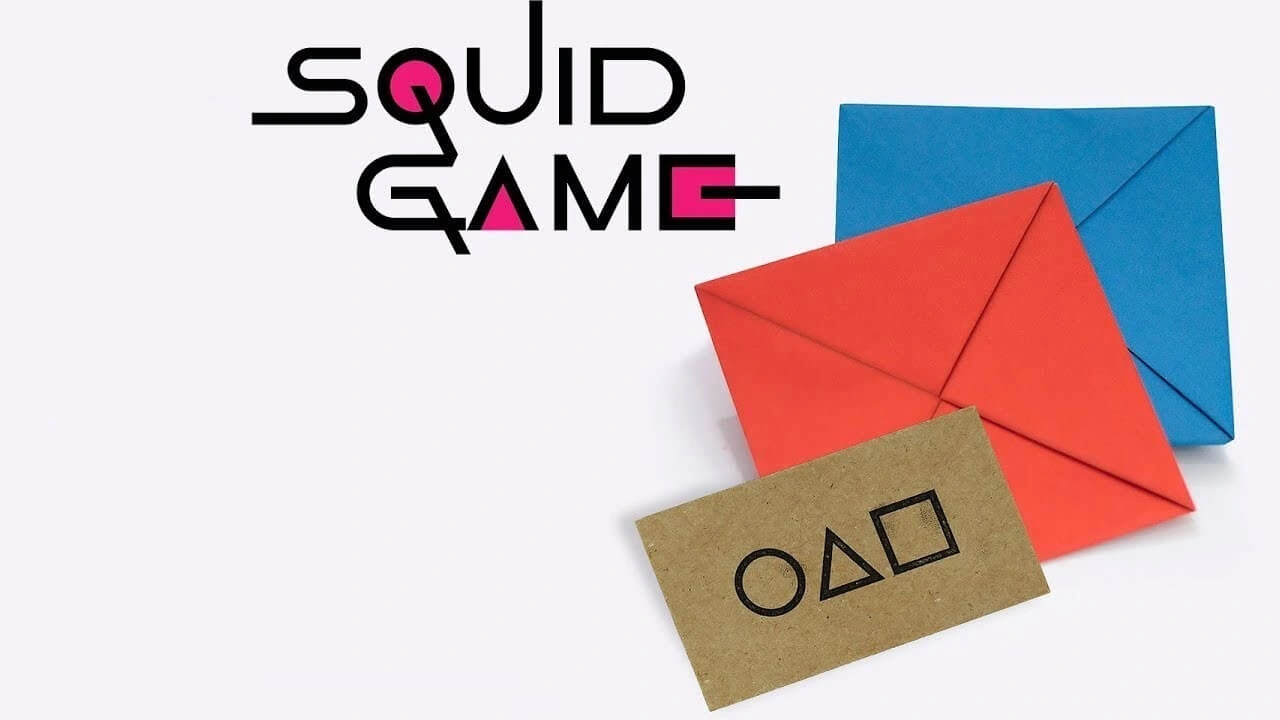
When SquidGame premiered on Netflix, it wasn’t just a viral hit—it became a global phenomenon. The storyline was haunting, the characters unforgettable, but perhaps the most lasting design symbol was also the simplest: the squid game card. Brown, square, and unbranded except for a triangle, square, and circle printed in black ink.
This cryptic card wasn’t just a narrative device. It sparked curiosity, cultural obsession, and unexpectedly, a revival of physical business cards in creative circles. As digital fatigue grows, the return of physical, tactile communication—especially via unique card design—proves people are craving more than screens.

Content
The Squid Game Card: Minimalism with Maximum Impact
In the show, the squid game card was more than just an invitation—it was an enigma. The fact that it had no company name, no contact information, and no clear purpose made it even more powerful.
From a design psychology standpoint, that minimalism works on a few levels:
- Ambiguity attracts curiosity – With no explanation, the card demands attention.
- Geometric shapes appeal to primal recognition—we associate them with order, logic, and hierarchy.
- Brown kraft stock triggers an eco-conscious, raw aesthetic that’s increasingly popular with Gen Z and millennials.
It’s the perfect example of how less is more—especially in an era saturated with overstimulation.
Print Design Is Back—Thanks to a Netflix Prop
Before the digital age, business cards were networking essentials. Over time, apps and QR codes took their place. But squidgame inadvertently flipped that script.
The squid game business card sparked a wave of interest in business card production again. Designers and marketers realized that physical media—done right—feels fresh, bold, and disruptive.
This isn’t the first time pop culture revived the business card. AmericanPsycho’s iconic “card comparison” scene set a cinematic benchmark. But while that film emphasized extravagance (eggshell paper, Silian Rail typeface), squidgame emphasized subtlety and silence.
In the world of design, that’s a power move.
Cultural Ripples: From TikTok to Branding
Search #squidgamecard on TikTok or Instagram, and you’ll see everything from fan recreations to custom brand adaptations. Businesses are using the card’s minimalist template to craft their own:
- Event invites with geometric icons
- Square promotional cards with QR codes linking to landing pages
- “Secret access” loyalty cards with no info—just symbols
Even luxury brands like Balenciaga have toyed with this type of visual ambiguity in recent years. The result? Curiosity, virality, and higher engagement.
Designers now view the squid game card not just as a prop, but a template for intrigue.
How to Create Your Own Squid Game-Inspired Business Card
If you’re inspired to make your own version—whether for personal branding, marketing, or fan art—here’s a step-by-step guide to nailing the aesthetic while staying original:
Design Breakdown:
- Stock: Choose 18pt brown kraft paper or similar uncoated textured material.
- Size: Square shape (2.5” x 2.5” or 3” x 3”) for authenticity.
- Ink: Stick to one-color ink—typically black—for maximum contrast.
- Icons: Use bold geometric shapes or your own brand elements, simplified.
- Finish: Avoid gloss. Go matte or soft-touch to keep the look grounded.
Bonus Tips:
- Add a QR code subtly integrated into the design (e.g., as the “circle” in the shape trio).
- Consider debossing or blind embossing for a texture-first impact.
- Use minimal branding—let the mystery invite interaction.
Whether you’re a startup, freelancer, or creative director, this style of squid game business card is a great way to showcase edge, restraint, and culture fluency.
Why Brown Kraft and Minimalist Cards Are Trending
The use of brown kraft paper isn’t accidental. It taps into broader design and cultural trends:
- Sustainability: Recycled or raw-texture stocks signal eco-awareness.
- Authenticity: In contrast to flashy digital ads, kraft suggests honesty and transparency.
- Tactile appeal: Texture connects emotionally in a way pixels can’t.
Combine that with pop culture appeal and you get a powerful hybrid: a nostalgic yet modern card that feels grounded and current.
Final Thoughts on the Impact of the Squid Game Card
The squid game card reminds us that design doesn’t need to scream to be heard. Sometimes, the quietest object in the room commands the most attention.
By embracing minimalist design, choosing tactile materials like brown kraft, and aligning with cultural moments, today’s designers and brands can leave a lasting impression—often more powerful than any digital ad ever could.
FAQs
What does the squid game card mean in the show?
The card serves as a silent recruitment tool for the deadly competition. The three shapes—circle, triangle, square—symbolize rank among the game’s enforcers and hint at control, structure, and hierarchy.
Can businesses legally recreate the squid game card?
You can create cards inspired by the design, but using exact replicas for commercial purposes may raise copyright concerns. The best approach is to use the style and symbolism as a jumping-off point—keep it original.
Clifford Rosen is a wonderful person. He is very nice and always willing to help out! He loves his job because it lets him share interesting things with people who want to know about new developments in the world of technology.